Dog Breeds That Look Like Wolves: 5 Wild-Looking Breeds Compared
Plenty of dogs get called “wolf-like.” Very few earn it….
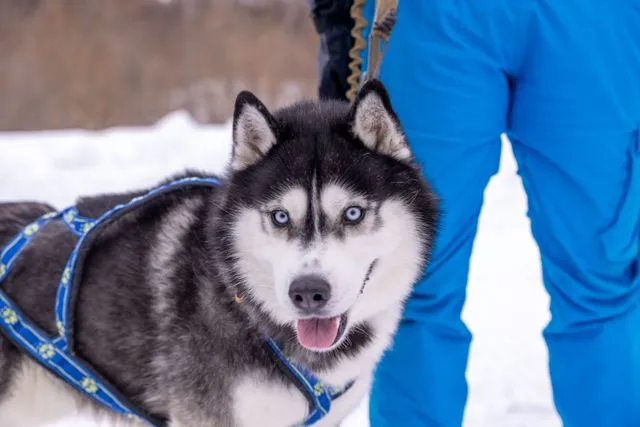
Plenty of dogs get called “wolf-like.” Very few earn it.
If you want the wild look without guessing, here are five breeds that actually deliver, ranked loosely from “domestic with a wolf costume” to “closer to the wild side than most people realize.” Looks are the easy part. The living-with-it part is where people get burned, so I’ve covered both.
Table of Contents
Siberian Husky: The Gateway Wolf Look
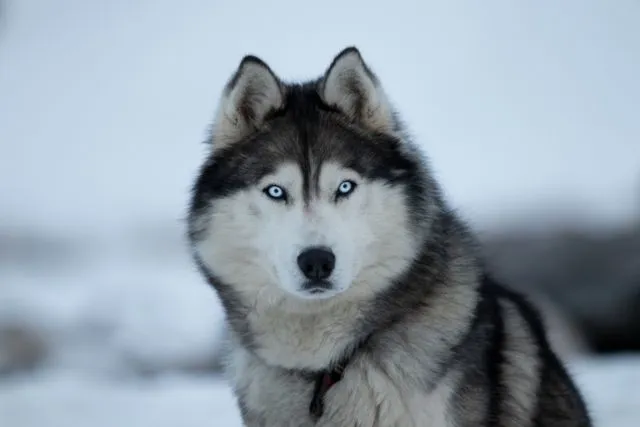
The Husky is where most people start, and for good reason. Pointed ears, a thick double coat, a facial mask, and those pale blue eyes (or one blue, one brown) give it an instant arctic-predator vibe.
Size: roughly 35-60 pounds, so noticeably lighter than a wolf.
Here’s the catch. A Husky was bred to pull sleds over long distances, and it behaves like it. Under-exercised Huskies dig, howl, chew and escape. A six-foot fence is a suggestion to them, not a barrier.
Great for active owners. A nightmare for anyone who wants a couch companion.
Alaskan Malamute: The Heavyweight
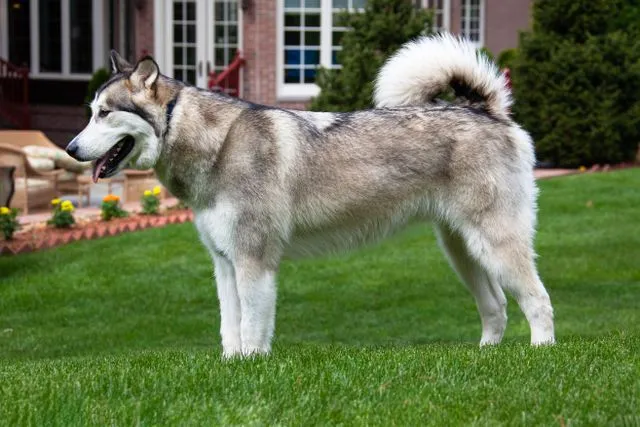
Put a Husky next to a Malamute and the difference is obvious. The Malamute is bigger, broader and heavier, usually 75-100 pounds of muscle and fluff. Its wide head and dark, almond-shaped eyes read as more wolf than the Husky’s lighter build.
Malamutes were freight haulers, not racers. They’re strong, stubborn and more laid-back indoors than most Huskies. Still, they need real exercise, and that coat sheds in clumps twice a year. Budget for a good brush and a strong vacuum.
→ Pick this one if you want size and presence, and you can handle a dog that tests you.
Czechoslovakian Wolfdog: The Real Deal
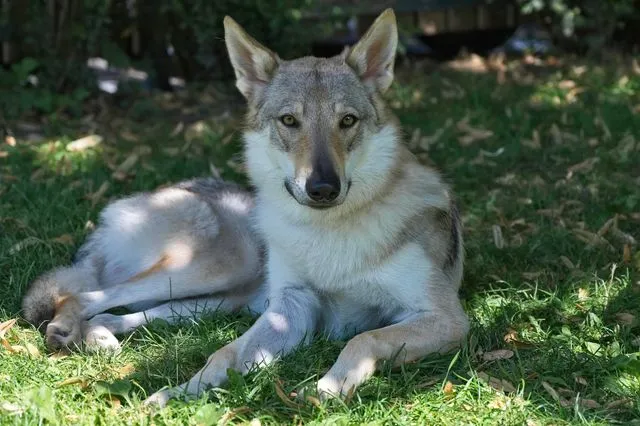
This is where it gets serious. The Czechoslovakian Wolfdog was developed in the 1950s by crossing German Shepherds with Carpathian wolves, originally for military work. It was later recognized as a breed, and it shows: lean frame, amber eyes, a loping gait and a light, sandy-gray coat.
They’re loyal to their people and wary of everyone else. They also bond hard with their pack, so they don’t do well left alone for long stretches.
This is not a beginner dog. Without extensive early socialization and an experienced hand, you’ll struggle. With both, you get one of the most athletic and devoted companions out there.
Saarloos Wolfdog: The Shy One
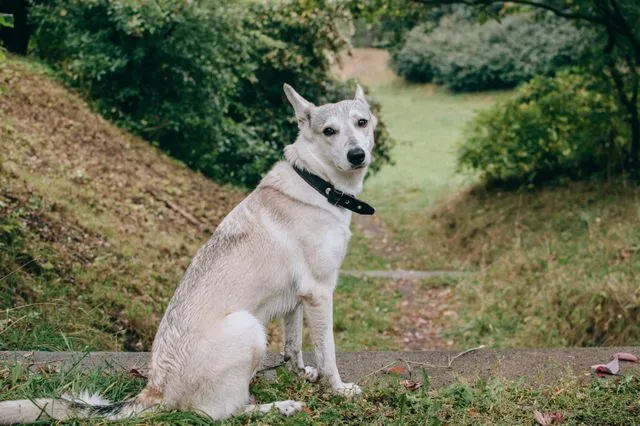
The Saarloos came out of the Netherlands in the 1930s, when Leendert Saarloos crossed a German Shepherd with a European wolf, hoping to build a better working dog. The experiment didn’t go as planned. The dogs turned out too skittish for work, but they became a distinctive breed in their own right.
Looks-wise, it’s tall, rangy and wolfish, with a gray or brown coat and a watchful expression.
Temperament-wise, expect a sensitive, reserved dog that startles easily and needs a calm, patient home. Loud chaos is a bad match. Think quiet, devoted and a little aloof.
Northern Inuit Dog: The Screen Star
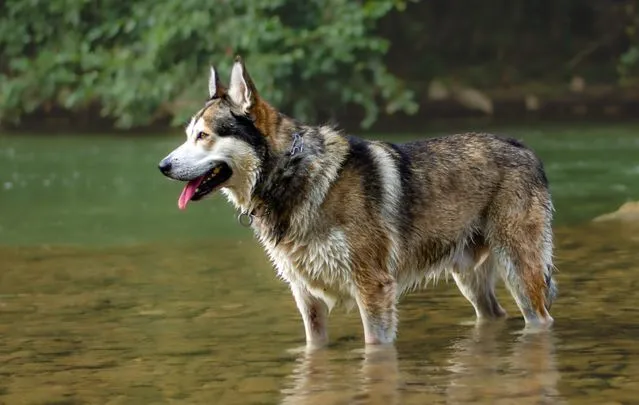
If the wolf look from Game of Thrones stuck in your head, you’ve already met this breed. Northern Inuit Dogs played the direwolves on screen, and the casting made sense. They were developed in the UK in the 1980s from Huskies, Malamutes and German Shepherds, with the goal of a wolf look without the wolf temperament.
They’re friendlier and more people-oriented than the wolfdog breeds, though still smart, energetic and prone to separation anxiety. They’re also not recognized by major kennel clubs, so do your homework on breeders.
Before You Fall for the Look
Here’s the honest part. A wolf-looking dog is almost always a high-effort dog. Bred to work, to run, or to stay wary of strangers, these breeds don’t coast.
Before you commit:
- Check your fencing. Tall, buried at the base, no gaps.
- Plan on one to two hours of real exercise daily for the sled breeds.
- Meet the parents if you can, and visit the breeder in person.
- Research local rules. Some places restrict wolf-hybrid dogs, and insurance can get complicated.
- Be honest about your experience. The wolfdog breeds punish beginners.
- Consider a rescue. Huskies and Malamutes are overrepresented in shelters because owners underestimated them.
What to Do Now
Pick the breed that matches your life, not your photo feed. Active household with space? Husky or Malamute. Experienced owner who wants a rare, intense companion? Look at the Czechoslovakian Wolfdog or Saarloos. Want the look with a softer edge? Start with the Northern Inuit Dog.
Then talk to owners, not just breeders. Ask what a bad Tuesday looks like. Their answers will tell you more than any breed profile.
FAQ
What dog breed looks the most like a wolf?
The Czechoslovakian Wolfdog and the Saarloos Wolfdog look the most like wolves, since both were bred from German Shepherds crossed with wolves. Among fully domestic breeds, the Alaskan Malamute and Siberian Husky are the closest matches in coat and build.
Are dogs that look like wolves good family pets?
It depends on the breed. Huskies and Malamutes can do well with active families, but they need serious exercise and firm training. Wolfdog breeds like the Czechoslovakian Wolfdog and Saarloos are reserved, independent and better suited to experienced owners.
Do wolf-looking dogs actually have wolf DNA?
Every dog descends from ancient wolves, so all breeds share some deep ancestry. Only the Czechoslovakian Wolfdog and Saarloos Wolfdog were deliberately created from recent wolf crosses. Huskies, Malamutes and Northern Inuit Dogs are not wolf hybrids.
Which wolf-like dog breed is best for first-time owners?
The Northern Inuit Dog or a well-bred Siberian Husky is usually the most manageable choice, though neither is truly beginner-friendly. Both need daily exercise, early socialization and secure fencing. The wolfdog breeds are a poor fit for first-timers.
Disclaimer: This article is for informational and educational purposes only. Owning a wolf-like or high-drive working breed requires specific training, secure containment, and understanding of local regulations. Always research local laws regarding wolf-hybrid ownership and consult a professional dog trainer or veterinarian before bringing a high-energy working breed into your home.