Dog Care Tips: 6 Habits That Keep Your Dog Healthy
Most dog problems I see owners deal with aren’t mysteries….

Most dog problems I see owners deal with aren’t mysteries. They’re the slow, predictable result of skipped teeth brushing, a food bowl that’s too full, and a first vet visit that kept getting pushed to “next month.”
Table of Contents
Here are six habits that cover the ground. Do these and you’ve handled most of what actually goes wrong.
Dog Care Tips: Book the vet visit before you think you need it
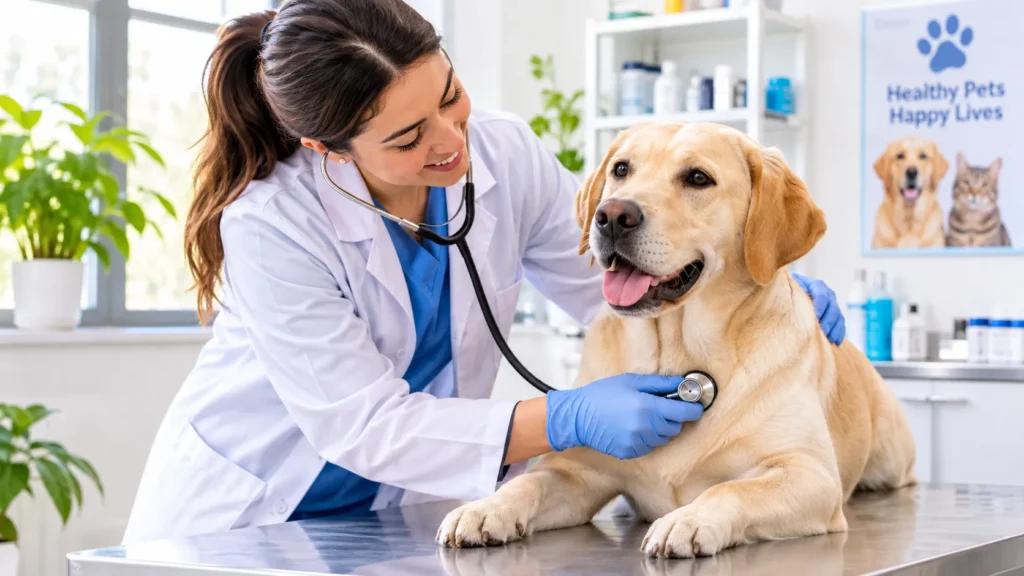
If you’ve just brought a dog home, get them in front of a vet soon. Not when something looks off. Now.
A baseline matters. Dogs age far faster than we do, and their health can change in months rather than years, so a vet who already knows what “normal” looks like for your dog catches problems earlier. After that, plan on one checkup a year as a floor. Puppies and seniors need more.
Call sooner if you notice appetite changes, lethargy, bleeding, or anything that makes you go “huh, that’s new.” Trust that instinct.
Vaccines and parasite prevention: the boring stuff that works
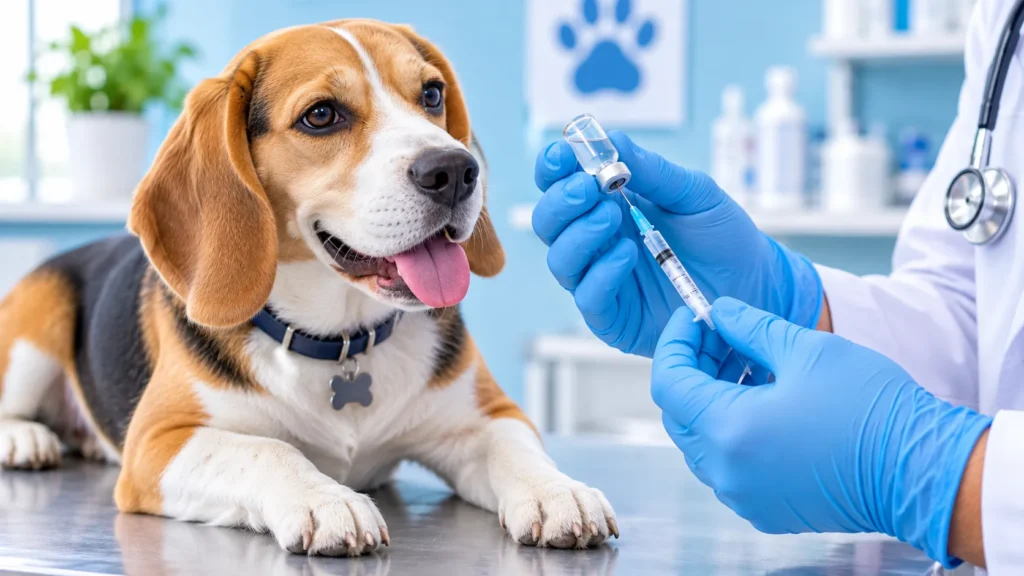
Vaccines are the cheapest insurance you’ll ever buy for your dog. The core set usually covers distemper, parvovirus, hepatitis and rabies, and rabies shots are a legal requirement in many places. Puppies get a series of shots a few weeks apart, so don’t wing the timing. Your vet sets the schedule.
Parasites are the other half:
- Fleas and ticks → ask which preventative suits your dog and your climate
- Heartworm → a yearly blood test plus a prescribed preventative
- Intestinal parasites → a yearly stool check
None of it is exciting. All of it beats a treatment bill.
Feed less than the bag says, and know the danger list
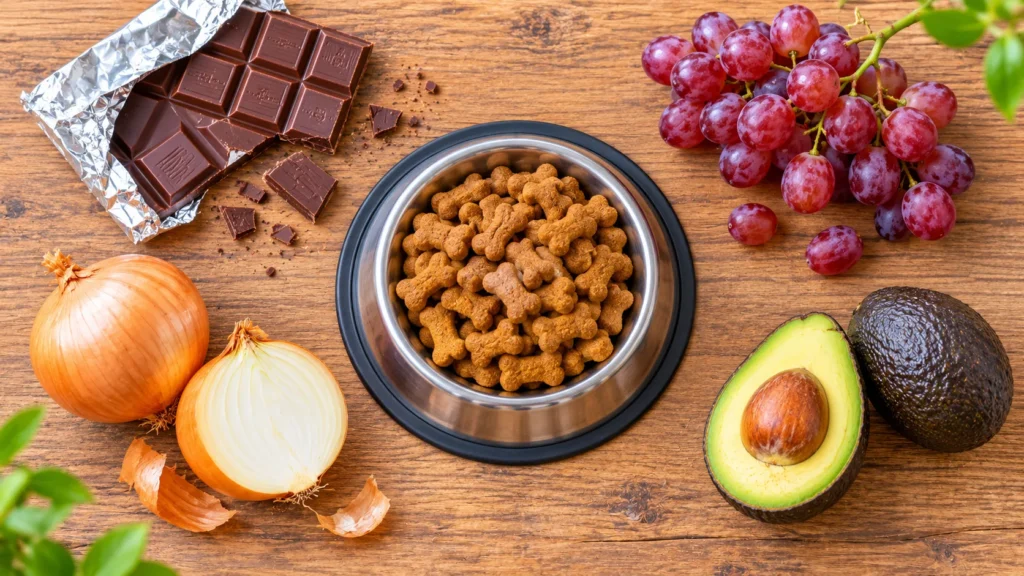
Feeding charts on dog food bags tend to run high, often well above what an average dog needs. If your dog is getting a little round, trim the portions and check with your vet before you change anything big. Extra weight shortens a dog’s life and wrecks joints, and older dogs are especially prone to it.
Then there’s the list that matters more than any brand choice. Never feed:
- Chocolate
- Grapes and raisins
- Onions and garlic
- Avocado
- Macadamia nuts
- Xylitol, a sweetener hiding in sugar-free gum, candy and some peanut butters
Table scraps are where most accidents start. Skip them.
Also skip cooked bones, which can splinter and tear the stomach or intestines. And don’t reach for the medicine cabinet: a single ibuprofen can cause kidney failure in a dog. Never give any human medication without asking your vet first.
If your dog swallows something dangerous, don’t wait for symptoms. Call your vet, an emergency clinic, or the ASPCA Animal Poison Control Center at 888-426-4435, then get moving.
Brush the teeth. Yes, really.
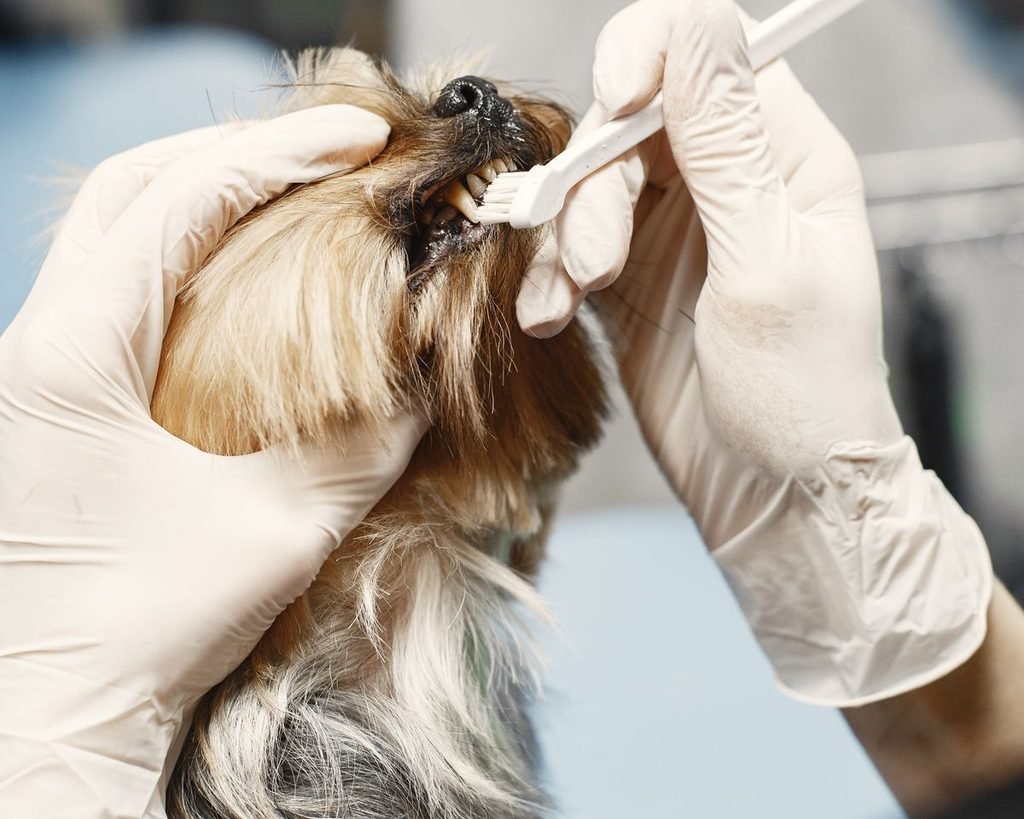
Most owners laugh at this one. Then they pay for a dental cleaning.
Dental disease isn’t just bad breath. Left alone, it can end up affecting organs like the kidneys and liver. Daily brushing is the goal, and a few times a week is still a big win. Use toothpaste made for dogs (human toothpaste is a no) and start slow: let them lick it off your finger first, then the brush, then a few seconds of actual brushing.
Watch for bleeding gums, discolored teeth, or breath that could strip paint. Your vet should be checking the mouth at every annual visit.
Walk more than you think you need to

A tired dog is a calmer dog. That’s not folk wisdom, it’s just how energy works.
Daily exercise handles weight, boredom, and a surprising amount of “bad behavior” like chewing and barking. How much depends on breed, age and health, so a husky and a senior bulldog are different projects entirely. When in doubt, ask your vet and watch your dog. Heavy panting and slowing down mean it’s time to stop.
If training is going sideways, bring in a professional. It’s usually faster and cheaper than six months of frustration.
The everyday safety rules that prevent emergencies

A few things vets say they’d never do themselves:
- Leave a dog in a parked car. Not even for a few minutes. Cars heat up fast.
- Use a retractable leash near traffic or other dogs. They make it much harder to control your dog when it counts.
- Let a dog off-leash near roads or in busy, unfamiliar places.
- Ignore antifreeze spills. Even a small amount can poison a dog.
Also dog-proof the house. Get trash, human food and medication out of reach before your dog tests how determined they are.
What to do this week
Don’t try to fix everything at once. Pick three:
- Book the checkup, or ask at your next visit about parasite prevention.
- Buy dog toothpaste and brush tonight, even for 20 seconds.
- Save the poison control number in your phone. Do it now, not when you need it.
Everything else on this list is easier once those three are done. Your dog won’t thank you, but they’ll be around a lot longer.
Disclaimer: This article is for informational purposes only and does not substitute for professional veterinary advice.
How often should I take my dog to the vet?
At least once a year for a routine checkup, which usually covers vaccines, a weight check and a look at the teeth and mouth. Puppies, seniors and dogs with health conditions need more frequent visits. Book a first visit soon after bringing a new dog home.
What foods are toxic to dogs?
Chocolate, grapes, raisins, onions, garlic, avocado, macadamia nuts and xylitol (a sweetener found in many sugar-free products) are the common ones. If your dog eats any of them, call your vet or an animal poison control line right away rather than waiting for symptoms.
How often should I brush my dog’s teeth?
Daily is ideal, and a few times a week is still far better than nothing. Use toothpaste made for dogs, never human toothpaste. Start slowly and keep sessions short so your dog gets used to it. Bleeding gums, discolored teeth or very bad breath are reasons to see your vet.
Which vaccines does my dog need?
Core vaccines typically cover distemper, parvovirus, hepatitis and rabies, and rabies shots are legally required in many places. Which extras your dog needs depends on where you live and how they spend their time. Your vet will set the schedule, especially for puppies.