10 Best Dog Breeds for Apartments and Who Each One Suits
Most “best apartment dog” lists sort by weight. That’s the…
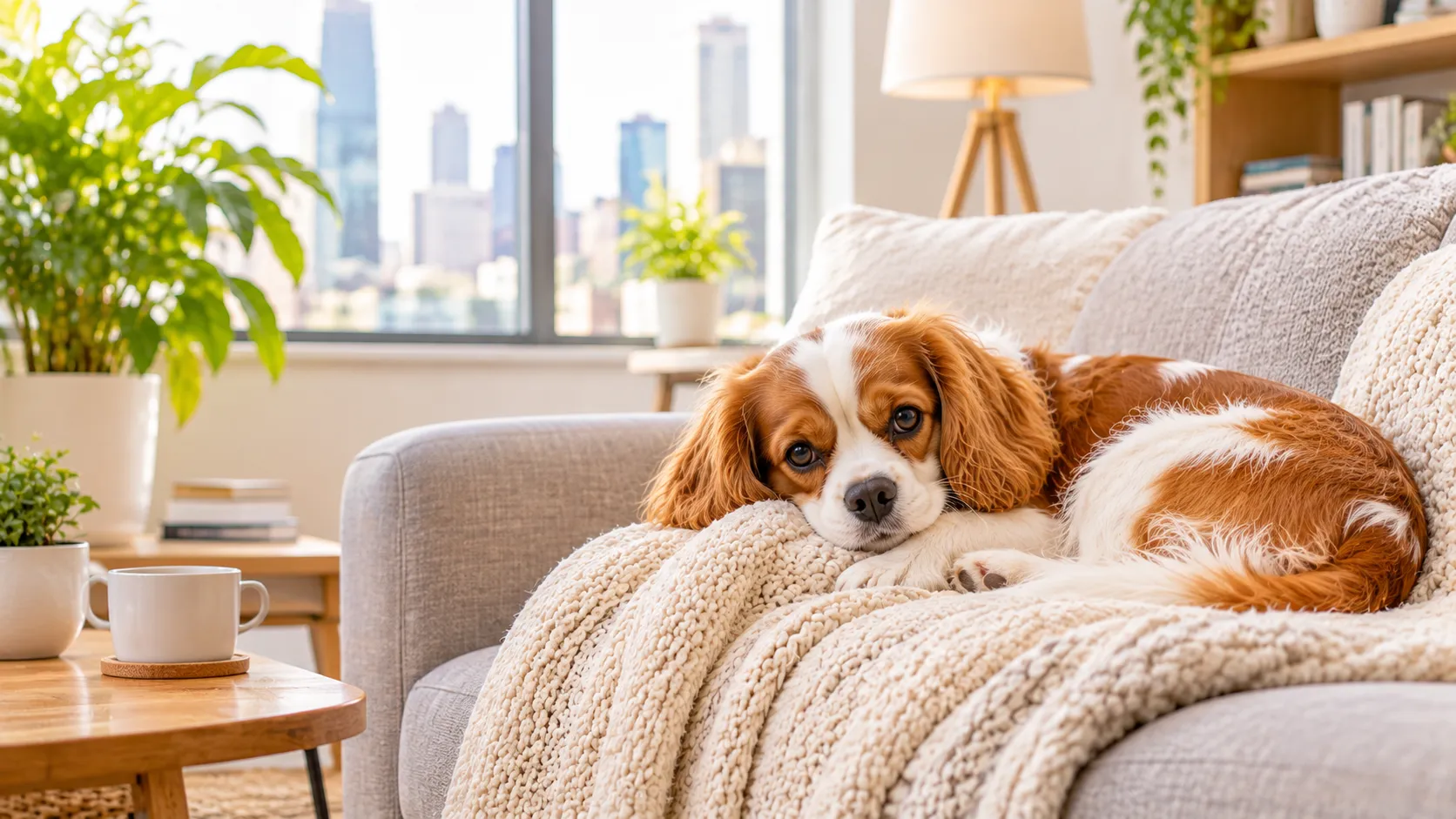
Most “best apartment dog” lists sort by weight. That’s the wrong filter. A 60-pound Greyhound can be a better flatmate than a 6-pound terrier mix that screams at every footstep in the hallway.
Here are ten breeds that genuinely cope with apartment life, and the catch that comes with each one.
Table of Contents
Best Dog Breeds for Apartments: Square footage matters less than you think
Three things decide whether a dog works in a small space: energy level, barking, and how it handles being alone. Size comes a distant fourth.
A hyper dog in 900 square feet gets destructive. A calm dog in 600 square feet is fine. And a dog that barks at the elevator will make you very unpopular with the people next door, whatever its weight.
Keep those three filters in mind as you read.
The couch-potato crew
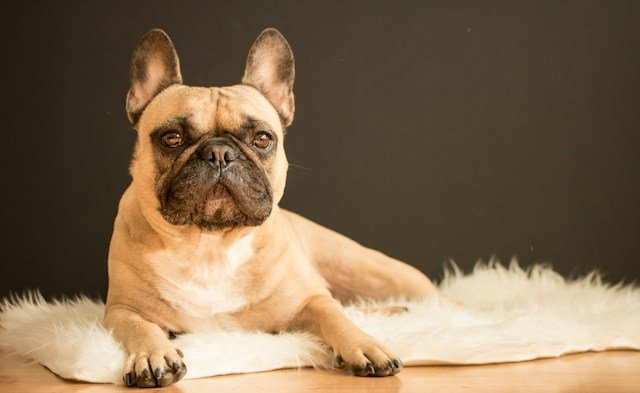
French Bulldog
Compact, funny, and perfectly content with a couple of short walks. Frenchies are about as low-maintenance on exercise as dogs get.
The catch is health. Flat-faced breeds can struggle with heat and breathing, snore like a freight train, and the vet bills add up. Budget for that before you fall for the face.
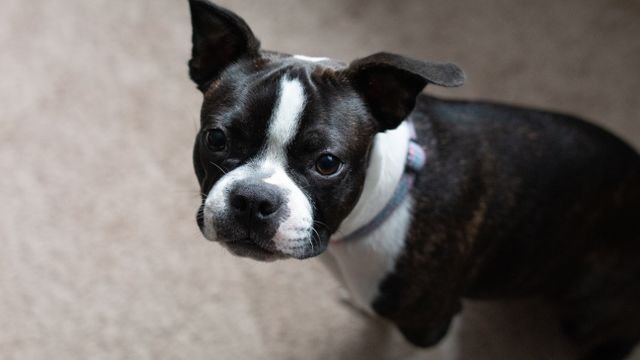
Boston Terrier
Friendly, tidy, and usually quieter than other small terriers. They want a daily walk and some play, then they’re happy to flop next to you.
Same flat-face caveat as the Frenchie, though. Skip long outdoor sessions in summer heat.

Shih Tzu
A lap dog from the ground up. This is a breed that was bred to sit with people, and it shows. Moderate walks, lots of cuddling.
The coat needs real upkeep — brushing most days and regular trims — or it mats fast.
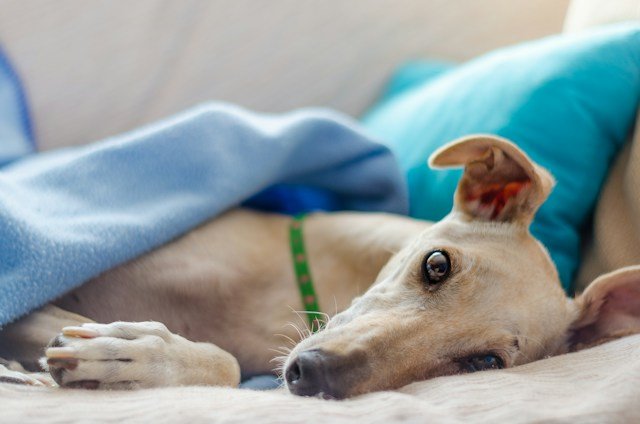
Greyhound
The surprise on this list. Greyhounds sprint hard for a minute, then sleep for most of the day, which is why people call them 40-mph couch potatoes. They’re also generally quiet.
They need a leash outdoors because of their prey drive, and you’ll want a soft bed, since they have almost no body padding. Floors get hard on those bones. Retired racers often make great first-time-adult-dog adoptions.
The velcro dogs

Cavalier King Charles Spaniel
Sweet, gentle, and keen to follow you from room to room. Cavaliers are about as easy-going as a dog gets with kids and guests.
Two catches. They hate being alone for long stretches, and the breed is prone to heart problems, so ask any breeder for health screening records.

Havanese
Cheerful, social, and adaptable — a small dog with a big personality and a soft, flowing coat. They learn tricks quickly and generally get along with everyone.
Like the Cavalier, they want company. A Havanese left alone ten hours a day will let you know about it.

Bichon Frise
A happy little powder puff that sheds very little, which helps if you’re sensitive to dander. Playful but not demanding.
House-training can be slow, and the coat needs regular grooming. Separation anxiety shows up here too.
The clever ones
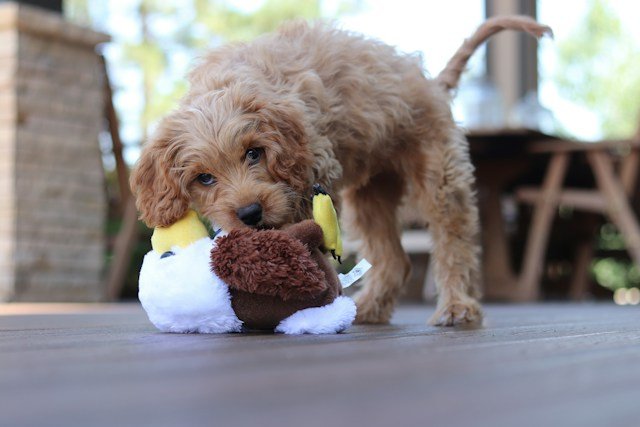
Toy Poodle
Smart, quick, and low-shedding. Toy Poodles pick up training fast, which is a big advantage in a building where manners count.
They need mental work, not just walks. Bored poodles invent their own jobs, usually involving your shoes.
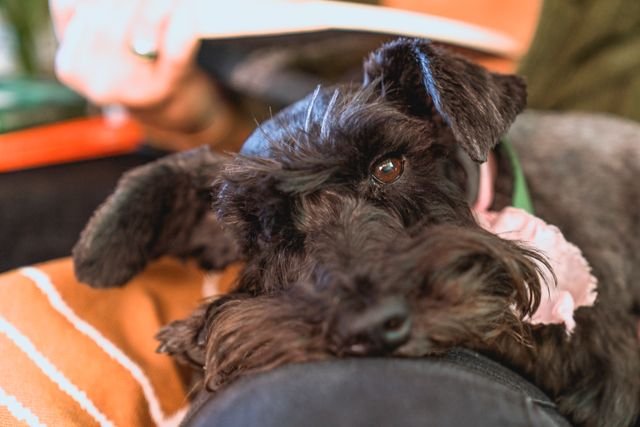
Miniature Schnauzer
Sturdy, trainable, and a little more energetic than the lap-dog breeds. A good pick if you want a dog that’ll actually keep up on a hike.
They’re alert and will bark at noises, so start teaching a quiet cue on day one.
The small dog with a big opinion

Chihuahua
Tiny, devoted, and easy to feed and carry. Space is truly no issue for a Chihuahua.
The problem is volume. Many are yappy and wary of strangers, and they’re sensitive to cold. Early socialization decides whether you get a charming companion or a hallway alarm system.
What nobody tells you before you sign the lease
A few things that don’t show up on breed charts:
- Check your lease first. Many buildings cap weight or restrict specific breeds. Ask before you fall in love.
- Think about stairs and elevators. A dog that’s friendly with strangers in tight spaces makes everyone’s life easier.
- Plan for the workday. Almost every dog on this list needs a midday walk or a daycare day if you’re out more than six or seven hours.
- Individuals beat averages. Breed tendencies are odds, not guarantees. Meet the actual dog and ask about its temperament.
What to do now
Pick your two biggest dealbreakers — barking, grooming, alone time, health costs — and cross off every breed that fails them. You’ll likely end up with two or three candidates, not ten.
Then go meet some of them in person, at a shelter, rescue, or reputable breeder, before you commit. A dog’s real temperament tells you more than any list, including this one.
What is the best dog breed for a small apartment?
There’s no single winner. Cavalier King Charles Spaniels, Havanese, and Shih Tzus are strong all-rounders because they’re gentle, adaptable, and happy with moderate walks. Match the breed to your schedule and your neighbors’ tolerance for noise, not just to square footage.
Can a big dog live in an apartment?
Yes, if the dog is low-energy. Greyhounds are the classic example: they sprint in short bursts, then sleep most of the day. Energy level and barking matter far more than size.
Which apartment dogs bark the least?
Greyhounds, Cavalier King Charles Spaniels, and Boston Terriers tend to be on the quieter side. Chihuahuas and Miniature Schnauzers are more alert and can bark at hallway noise without training. Individual dogs vary, and early training matters more than breed labels.
What dog breeds can be left alone while I’m at work?
Few breeds handle long solo days well. Greyhounds and Shih Tzus are often more relaxed about alone time, while Cavaliers, Havanese, and Bichons are prone to separation anxiety. If you work long hours, plan for a midday walker or doggy daycare regardless of breed.
Disclaimer: This article is for informational and educational purposes only. Every dog has an individual personality regardless of breed—factors like early socialization, daily routine, and veterinary health screenings play a major role in how a dog adapts to apartment living. Always consult a veterinarian regarding breed-specific health risks (such as respiratory or heart conditions) before adopting.