American Shorthair Cat: Honest Owner’s Guide to the Breed
Most “family-friendly” cat breeds turn out to be fine until…
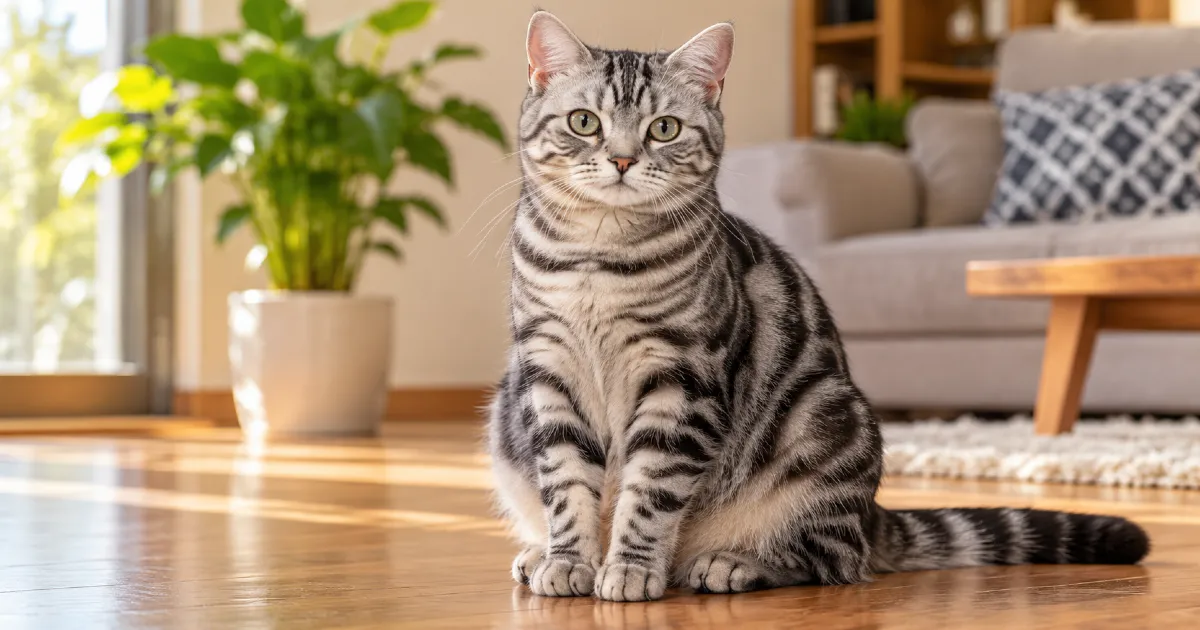
Most “family-friendly” cat breeds turn out to be fine until you get one home. The American Shorthair is one of the few that actually lives up to the brochure. It’s calm, sturdy, mildly goofy, and it doesn’t demand your whole day.
Here’s what that looks like in real life, plus the one thing that quietly shortens these cats’ lives.
Table of Contents
American Shorthair Cat: A working cat in a house cat’s body
The breed traces back to cats brought over from Europe in the 1600s, and those cats earned their keep. They guarded ship cargo and farm stores from rodents. That history is still visible: a muscular, compact build and a real hunting drive.
It also explains the temperament. Working cats are independent. They don’t need constant attention, but they do need something to do.
Personality: easygoing, not boring
Calm. Friendly. Curious.
An American Shorthair will usually get along with a small family, a single owner, or other pets, and it tends to be smart enough to learn your routines fast. Don’t expect obedience, though. Like most cats, it’s not going to take training the way a dog does, so you work with its habits instead of against them.
Give it a wand toy and ten minutes of chasing a day and you’ll have a happy cat. Skip that and the hunting instinct finds your ankles.
Size, coat and colors
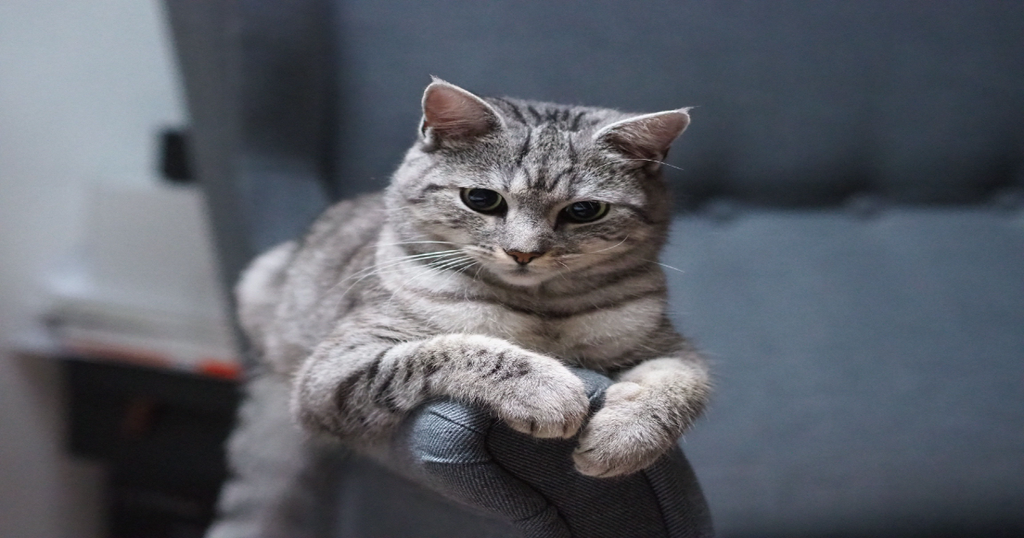
This is a medium-sized cat. Most sources put adults at roughly 7 to 12 pounds, with males bigger than females, though you’ll see higher figures quoted for large males.
The coat is short, dense and straight. Colors are basically everything:
- Solid white, black, blue, cream, red
- Silver and brown tabby (the classic look)
- Bicolor and tricolor patterns
- Smoke and shaded variations
- Calico and tortoiseshell-type mixes
Pick on personality, not color. Looks vary a lot between individuals.
The weight problem nobody warns you about
Here’s the thing. This breed loves to eat, and it’s built to put on weight easily.
Extra pounds aren’t cosmetic. Obesity in cats is tied to serious problems, including heart and kidney disease. A chunky American Shorthair isn’t “just a big cat.”
What actually works:
- Measure meals. Free-feeding a bowl all day is how most weight problems start.
- Choose high-protein food. Cats are carnivores, and diet quality matters.
- Schedule play. Short sessions, daily.
- Weigh monthly. A kitchen scale and a carrier takes two minutes.
- Ask your vet for a target weight instead of guessing.
If your cat is already gaining, talk to your vet about a tailored diet before cutting food yourself.
Health and lifespan
Good news first. Healthy American Shorthairs commonly reach 15 to 20 years, which is a long run for any pet.
The watch list is short. Weight is number one. Heart health is worth raising with your vet, who may recommend screening depending on your cat’s age and history. Beyond that, normal cat basics apply: vaccinations, dental care, annual checkups.
Indoor living adds years. So does catching problems early, which is why a yearly vet visit beats waiting for symptoms.
Grooming and daily care
Low effort here.
Brush once a week, a little more when the coat changes with the seasons. Trim nails, check ears, and keep teeth on your radar. That’s the whole routine.
What takes more thought is enrichment: a window perch, a scratching post that’s actually tall enough, a few puzzle feeders. Puzzle feeders do double duty, because they slow eating and burn energy.
Is this the right cat for you?
Get an American Shorthair if you want a friendly, sturdy, low-maintenance cat that fits into a normal household and doesn’t need a performance every evening.
Think twice if you can’t commit to portion control or you’re away from home for long stretches with no one to play with the cat.
Next step: if you’re serious, visit a reputable breeder or a rescue, meet the adult cats, and ask about family health history. Book a vet visit in the first week and set a target weight right then.
FAQ
How long do American Shorthair cats live?
Most American Shorthairs live 15 to 20 years, which is longer than the average for many breeds. Indoor life, a healthy weight and regular vet checkups do most of the work in getting a cat to the upper end of that range.
Are American Shorthair cats good for first-time owners?
Yes. They’re easygoing, playful without being frantic, and need only occasional brushing. The main thing a new owner has to manage is food: the breed gains weight easily, so measured portions matter from day one.
How big does an American Shorthair get?
It’s a medium-sized, muscular cat. Many sources put adults at roughly 7 to 12 pounds, with males larger than females, though some heavier-built males run above that. Weight beyond the healthy range is usually fat, not frame.
Do American Shorthairs shed a lot?
They shed, but the short dense coat is easy to manage. A weekly brush is enough for most cats, and you can brush more often during seasonal coat changes.
What health problems do American Shorthairs get?
They’re generally healthy, but weight gain is the big one, and obesity raises the risk of heart and kidney disease. Heart health is also worth discussing with your vet, who can advise on screening.