Friendliest Dog Breeds: 9 Picks That Actually Love People
Every dog owner will tell you their dog is the…
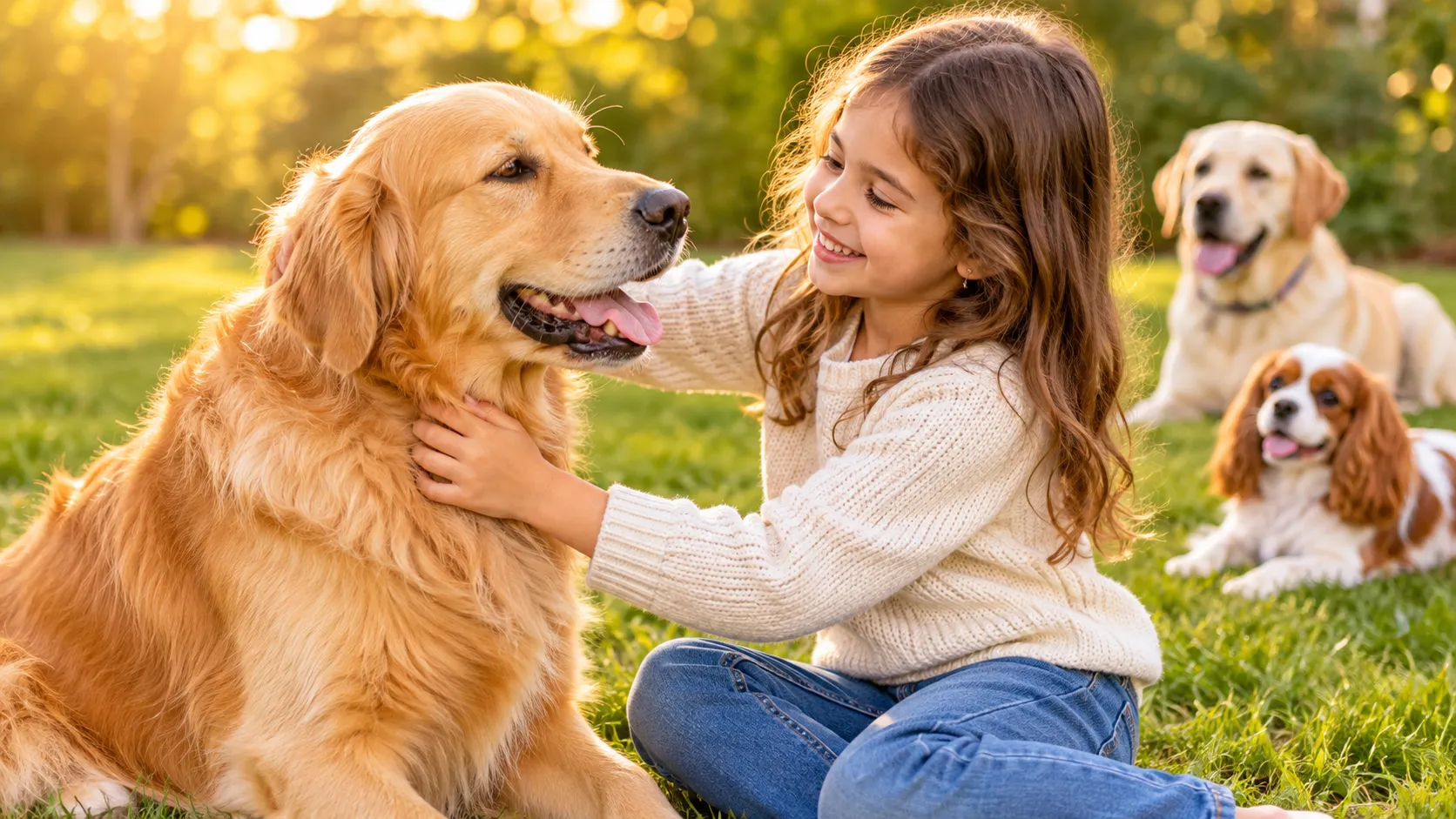
Every dog owner will tell you their dog is the friendliest. They’re all a little bit right, and that’s exactly the problem.
If you want a dog that melts around strangers, tolerates a toddler’s grip, and doesn’t lose it when the neighbor’s beagle shows up, breed matters. Not everything, but a lot. Here’s the short list, and how to avoid the mistakes people make when they pick one.
Table of Contents
What “Friendliest Dog Breeds” really means
People use the word for three different things, and they don’t always come in the same package.
- People-friendly: greets guests, accepts pets from strangers
- Dog-friendly: plays well at the park, reads other dogs’ signals
- Family-friendly: patient with kids, forgiving of chaos
A dog can nail one and flunk another. Some breeds are warm with their own family and indifferent to everyone else. That’s fine. It’s just not what you’re shopping for here.
Forbes Advisor surveyed 5,000 owners across the 25 most popular breeds and scored them on greetings, play, and tolerance of strangers. Bernese Mountain Dogs came out on top. Goldens and Corgis landed near the front too. Owner surveys are opinion, not science, but the patterns match what shelters and trainers see every day.
The big, easygoing group
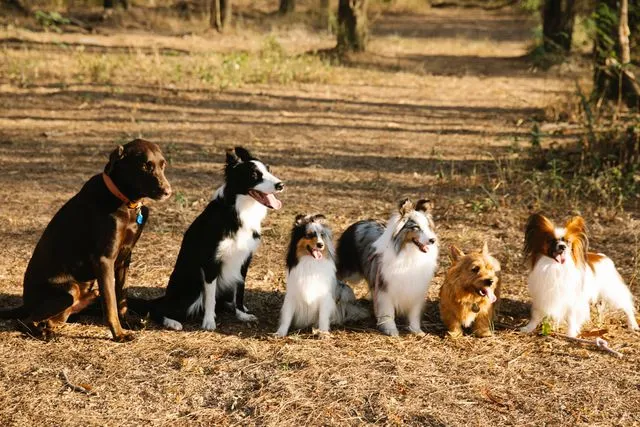
These are the breeds people mean when they say “family dog.”
Golden Retriever. The default answer, and for good reason. Sunny, patient, and obsessed with people. Expect shedding and a lot of energy until about age three.
Labrador Retriever. Slightly more boisterous than a Golden, equally devoted to everyone. Labs will befriend the mail carrier, the vet, and the burglar. Not much of a guard dog.
Bernese Mountain Dog. Calm, affectionate, and built like a couch with legs. The catch is lifespan. Giant breeds often live shorter lives, and that hurts.
Newfoundland. A drooling, gentle giant with a famously soft temperament. Great with kids, terrible with white furniture.
Small dogs with huge hearts
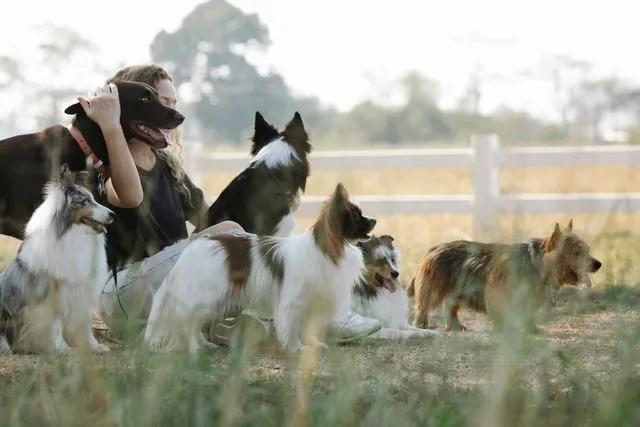
Don’t assume size means less love.
Cavalier King Charles Spaniel. Bred to sit in laps and keep people company, and it shows. Cavaliers have known heart and health issues, so buy from breeders who screen for them.
Havanese. Cheerful, social, and happiest when attached to you. Hates being left alone for long stretches.
Beagle. Curious, merry, and great with kids and other dogs. Also nose-driven and loud. If a scent grabs it, your recall command is a rumor.
The goofy, high-energy crowd
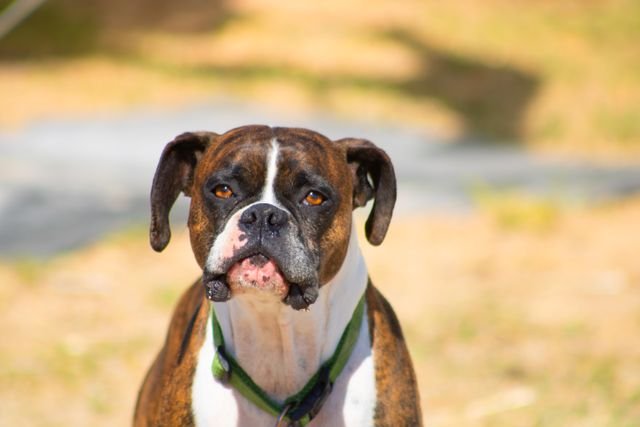
Boxer. The clown of the dog world. Boxers love everyone and will show it by leaping on them. Great for active homes, rough on tiny visitors.
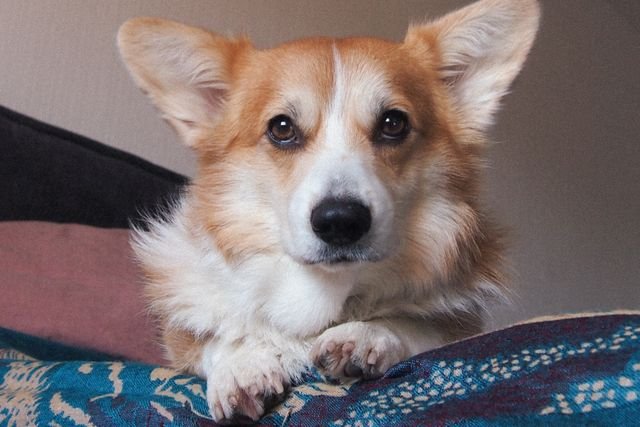
Corgi. Playful, bold, and bigger in personality than in body. They herd, and they bark. Plan for both.
Friendly doesn’t mean easy
Here’s where people get burned. A friendly breed can still be a lot of dog.
Retrievers need hours of exercise. Beagles escape. Cavaliers get separation anxiety. A bored, under-exercised Lab will happily rearrange your living room — all out of love. “Friendly” describes temperament toward people. It says nothing about how much work the dog is.
Be honest about your time, your space, and your patience before you fall for a face.
Raising a dog that lives up to the label
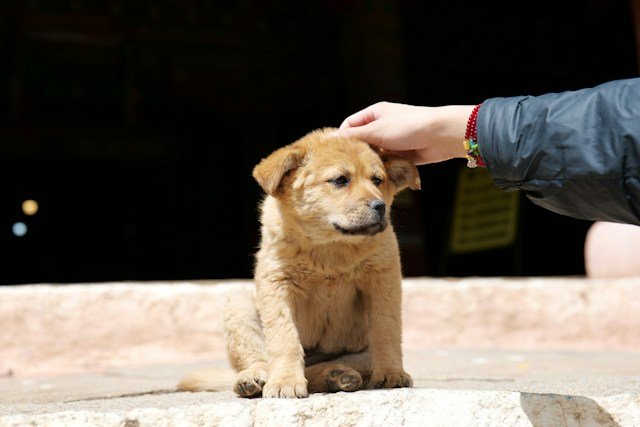
Genetics loads the gun, but upbringing pulls the trigger. A well-socialized dog from a so-so breed often beats a sheltered dog from a “friendly” one.
- Start early. Puppies are most open to new things between about 3 and 14 weeks. Use that window.
- Go for variety. Different people, surfaces, sounds, hats, umbrellas.
- Keep it positive. Treats and calm praise beat forcing a nervous pup to “get over it.”
- Teach manners, not just tricks. Four paws on the floor makes friendliness easier to live with.
- Supervise kids and dogs. Always. Teach children to pet gently and leave a resting dog alone.
- Meet the parents. If you can, see how the mother behaves. Temperament runs in families.
- Consider adults. A shelter dog with a known personality removes the guesswork.
What to do next
Pick two breeds, not one. Then go meet actual dogs — at shelters, breed meetups, or a friend’s house — before you commit. Ten minutes with a real animal will tell you more than any list, including this one.
And if you’re set on a friendly breed, budget for training classes now. It’s the cheapest insurance you’ll ever buy.
Disclaimer: This article is for informational purposes only. Breed traits are general tendencies, not guarantees—every dog’s temperament depends on socialization, training, and health. Always consult a certified trainer or veterinarian for personalized advice.
What is the friendliest dog breed?
Golden Retrievers and Labrador Retrievers are the most commonly named answers. Both were bred to work alongside people, and both tend to greet strangers, kids and other dogs warmly. Bernese Mountain Dogs also score extremely high in owner surveys. Still, individual temperament varies within every breed.
What is the friendliest small dog breed?
Cavalier King Charles Spaniels, Bichon Frises and Havanese are top choices. All three were bred as companions, so they bond easily with people and handle apartment life well. Beagles are a sturdy, outgoing option if you want something a bit larger and more active.
Which dog breeds are best with kids?
Golden Retrievers, Labradors, Beagles, Boxers and Newfoundlands are widely recommended for families. They are patient, sociable and tolerant of noise. Any dog, though, should be supervised around young children and taught how to be touched gently.
Can a dog be friendly if its breed isn’t known for it?
Yes. Early socialization, steady training and a calm home do a lot of the work. Between roughly 3 and 14 weeks, puppies are especially open to new people, sounds and animals. A well-socialized dog from a so-so breed often beats an under-socialized dog from a “friendly” one.
Are mixed-breed dogs friendly?
Often, yes. Mixes like Labradoodles, Goldendoodles and Cavapoos are bred from friendly parent breeds, and shelter mutts can be wonderful companions. Because their traits are less predictable, spend time with the individual dog before committing.