Cats That Don’t Shed: 7 Low-Shedding Breeds Compared
You can’t buy a cat that doesn’t shed. Not one….
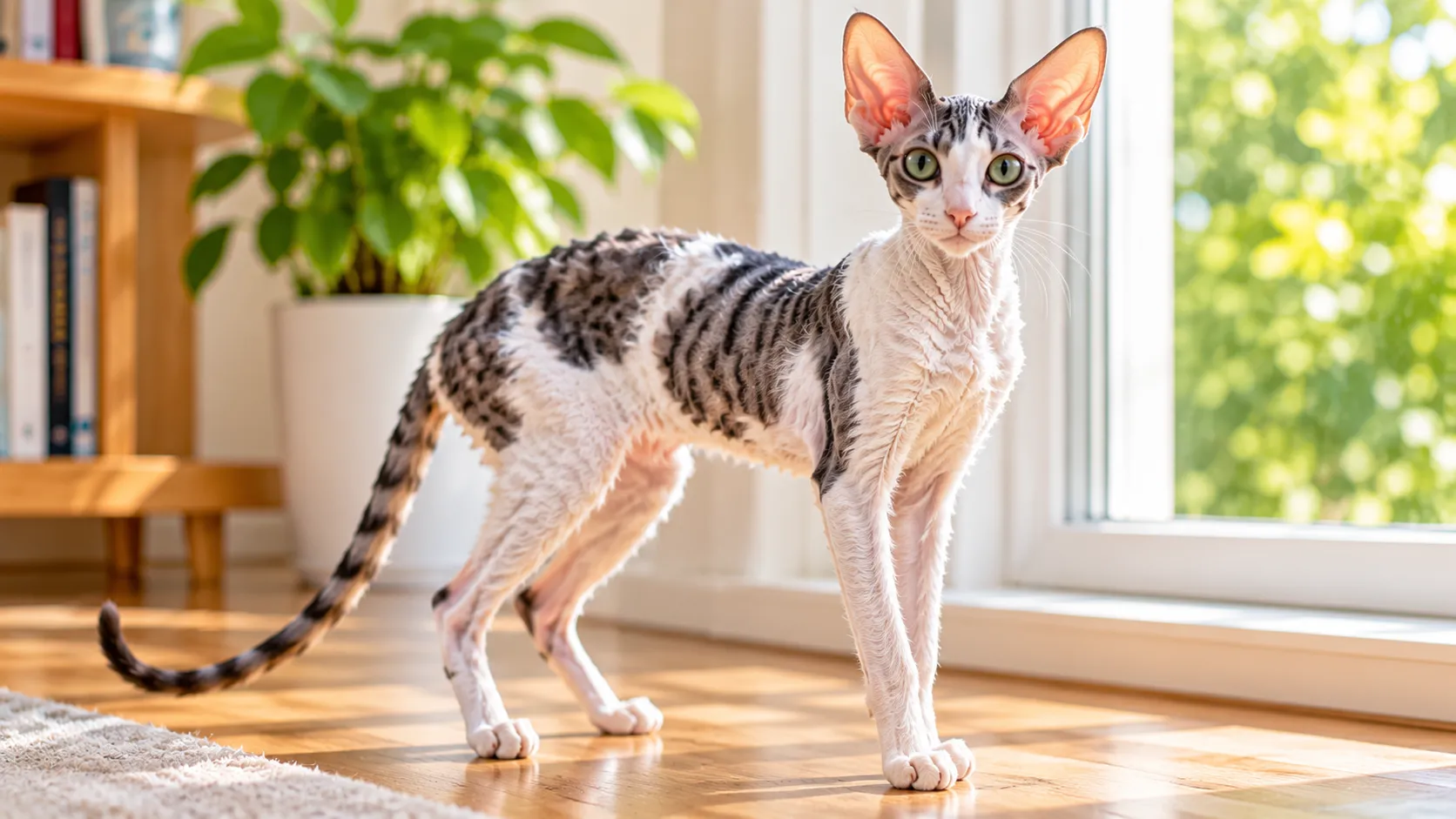
You can’t buy a cat that doesn’t shed. Not one. But you can buy one that leaves a lot less behind, and that difference decides whether your couch looks like a sheepdog’s bed or stays mostly clean.
Here’s what you’re actually choosing between, and one catch that trips up almost every first-time buyer.
Table of Contents
Cats That Don’t Shed “Non-shedding” doesn’t exist but low-shedding does
Every cat sheds. Hair has a growth cycle, and old strands fall out. What changes from breed to breed is how much hair there is to lose.
Most cats have three coat layers: down, awn, and guard hairs. Some breeds skip layers entirely. Fewer layers, less fur on your sweater. Simple as that.
Seven cats that shed less
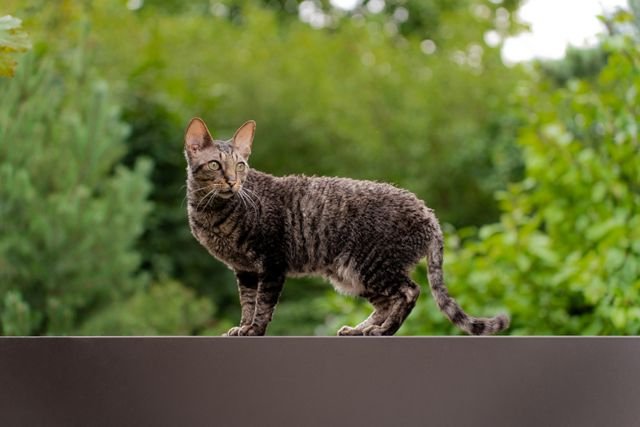
Cornish Rex. Only the soft down layer, no guard hairs. The coat is thin, wavy, and light on upkeep. Active, social, and the type that treats a feather toy like a job.
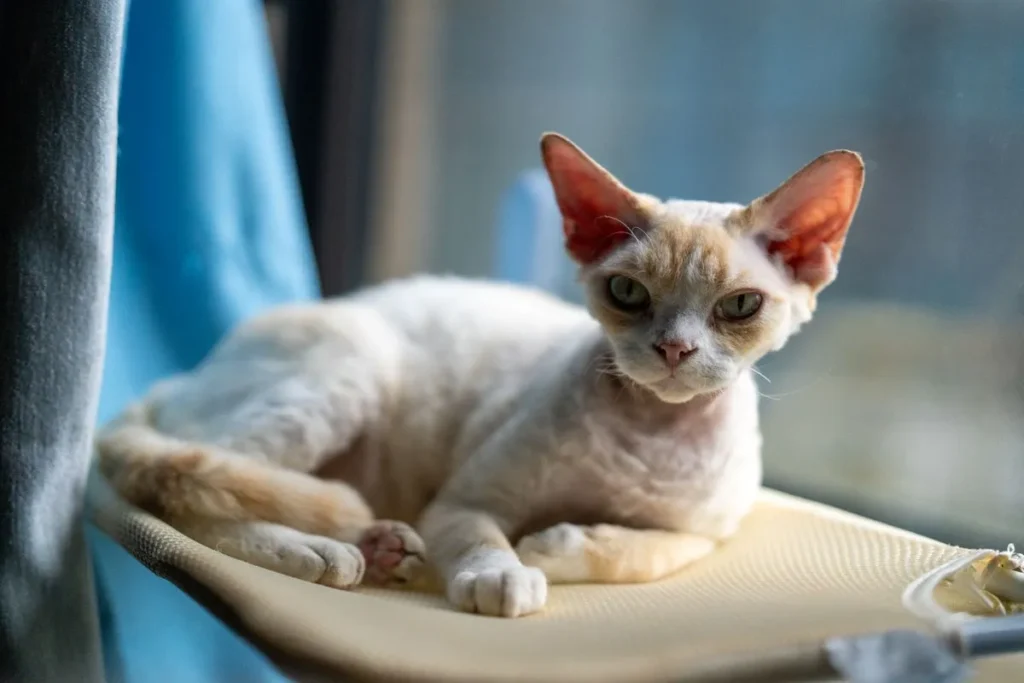
Devon Rex. Also down only, with big ears and a pixie face. Playful and people-obsessed, often attached to one person in particular. Weekly wipe-downs beat brushing.
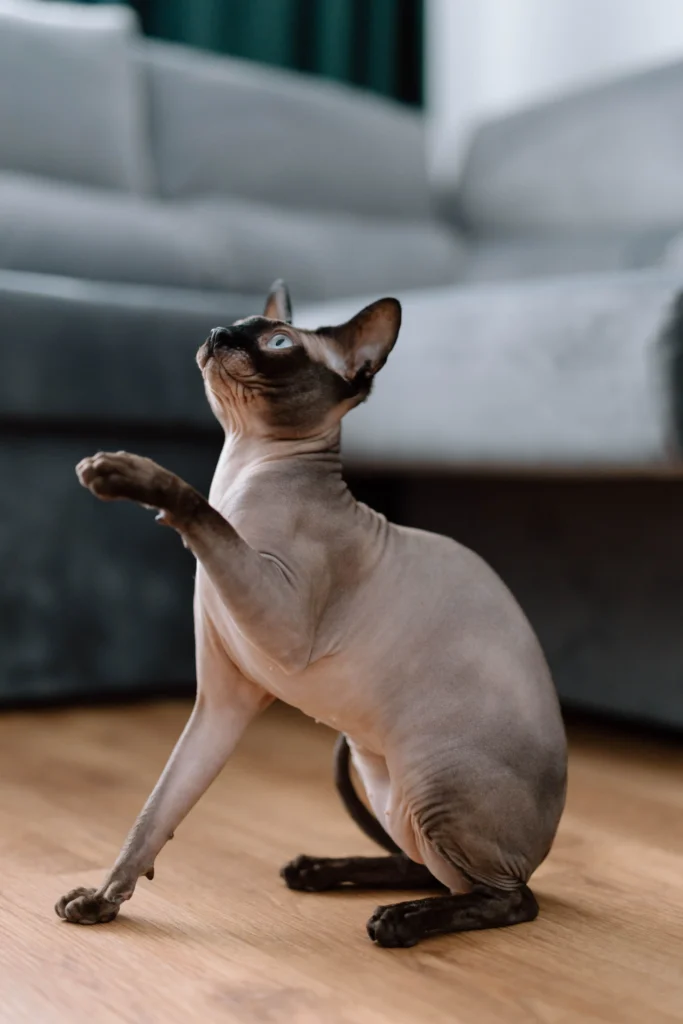
Sphynx. Almost hairless, covered in fine peach fuzz. Barely any fur to clean up. But skin oils build up with nothing to absorb them, so expect regular baths. You swap the vacuum for the tub.
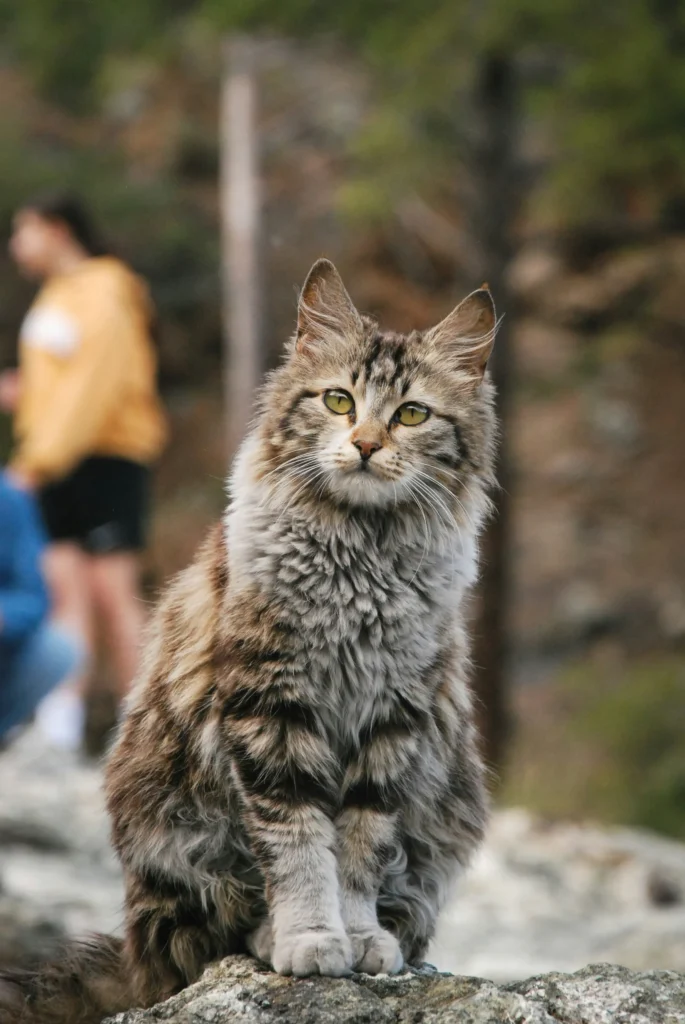
Siberian. Thick, long coat, yet many allergy sufferers tolerate them better because they tend to produce less of the main cat allergen. They do blow their coat seasonally, so spring gets messy.
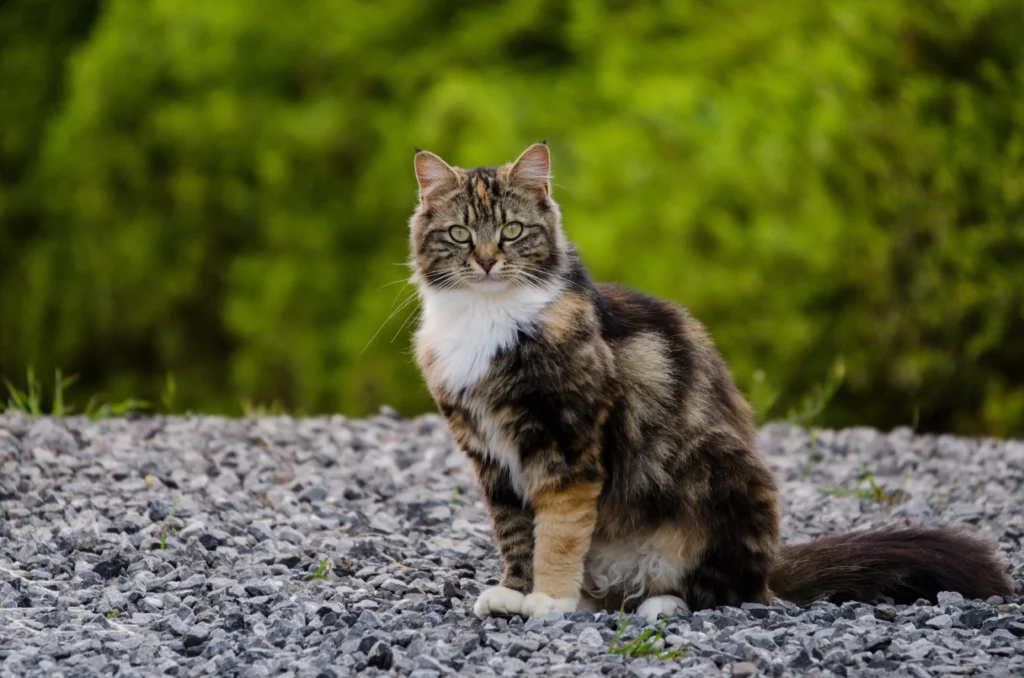
Balinese. Basically a long-haired Siamese with a single-layer coat that doesn’t mat much. Chatty, social, and said to produce less allergen than average.
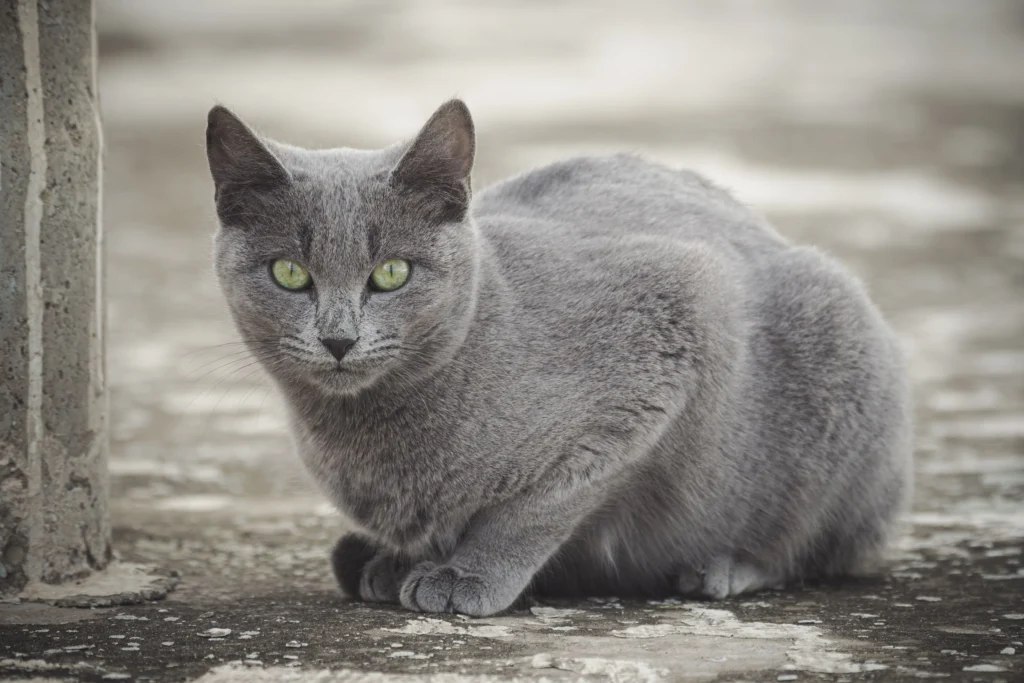
Russian Blue. Dense, plush, short coat. Sheds lightly and often lands on “better for allergies” lists, though it still makes the allergen.
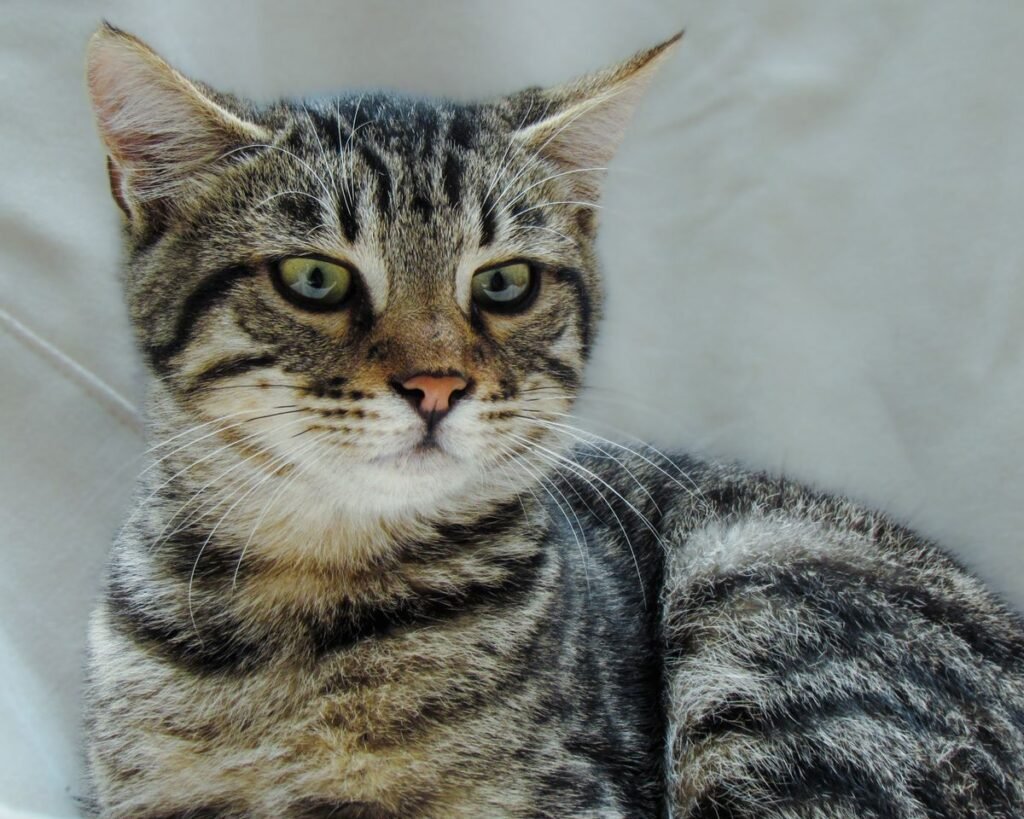
Oriental Shorthair. Very short, fine coat with minimal shedding. Loud, curious, and not great at being left alone.
Bengals show up on plenty of lists too. Their short silky coat sheds little, but they make a typical amount of allergen, so don’t count them as an allergy pick.
The allergy trap
Here’s what the cute-cat listicles skip: cat hair isn’t the allergen.
The culprit is a protein called Fel d 1, found in saliva, skin, and dander. Cats spread it by grooming, then it rides on hair and flakes through your house. A cat with almost no fur can still make plenty. Even the Sphynx does.
So “doesn’t shed” and “won’t make me sneeze” are two separate questions. The first is about cleaning. The second is about biology. Answer them separately.
Two other things worth knowing: male cats generally produce more allergen than females, and kittens produce less than adults, so a sweet kitten doesn’t predict how the adult will affect you.
How to cut fur and dander at home
You can’t eliminate it. You can shrink it.
- Vacuum often, with a HEPA filter if you have one
- Keep the bedroom cat-free, since you spend eight hours there
- Wash your hands after petting
- Bathe your cat with a cat-safe shampoo on a regular schedule
- Wash bedding and throws weekly
- Run an air purifier in the room where the cat hangs out
- Feed a quality diet, which helps coat health and can cut excess shedding
None of this replaces a doctor’s advice if your allergies are serious. If you’ve got asthma, talk to an allergist before bringing a cat home.
Pick the cat, then test the match
Don’t choose off a list. Spend real time with the specific cat, ideally a few visits, before you commit. Individual cats vary a lot, even inside one breed, and breeders can tell you about the parents’ lines.
Then decide what you hate more: fur on the sofa or bath day. Cornish and Devon Rex cost you the least cleanup. A Sphynx costs you the most grooming. A Siberian might cost you the fewest sneezes, with a hairy spring as the price.
Pick one trade-off and live with it. Perfect doesn’t exist, and now you know why.
FAQ
Is there a cat that doesn’t shed at all?
No. Every cat sheds at least a little, including hairless breeds like the Sphynx, which sheds skin flakes and oils instead of fur. Some breeds, like the Cornish Rex and Devon Rex, shed far less than average because of their thin coats. “Low-shedding” is the honest label.
Are cats that don’t shed hypoallergenic?
Not necessarily. Cat allergies come mainly from a protein called Fel d 1, found in saliva, skin, and dander, not from the hair itself. A cat that sheds little can still produce plenty of it. No breed is guaranteed allergen-free, so spend time with the specific cat before adopting.
What is the lowest-shedding cat breed?
The Sphynx sheds the least fur because it has almost none. Among coated breeds, the Cornish Rex and Devon Rex are the usual picks, since both carry only the soft undercoat layer. Siberians shed more but are often tolerated better by allergy sufferers.
Do hairless cats need more grooming?
Yes, in a different way. Sphynx cats build up skin oil with no fur to absorb it, so they typically need regular baths and ear cleaning. You trade vacuuming for bath time.