Hairless Dogs: Breeds, Skin Care and What Owners Miss
Most people assume a dog with no fur means no…
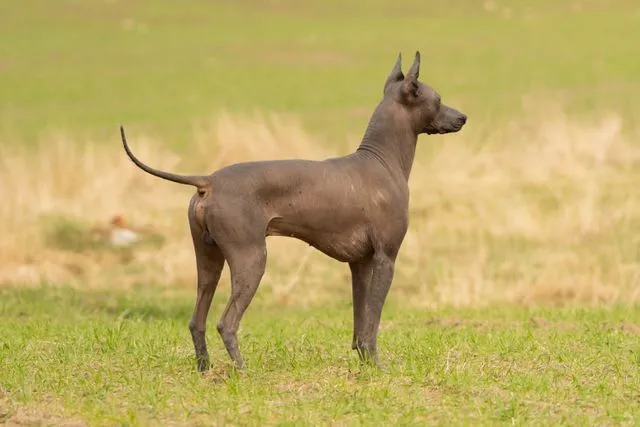
Most people assume a dog with no fur means no grooming. That’s the sales pitch, and it’s mostly wrong.
Table of Contents
Hairless dogs trade brushing for skincare. If you’re considering one, here’s what the vets and breed clubs say you’re signing up for.
Four breeds, four different looks
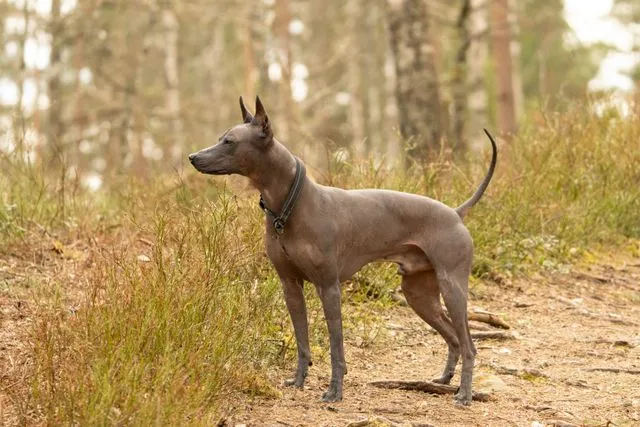
The Xoloitzcuintli (say it: show-low-eats-QUEENT-lee) is a hairless breed from Mexico, and PetMD says breed-club sources trace it back more than 3,000 years. Old dog.
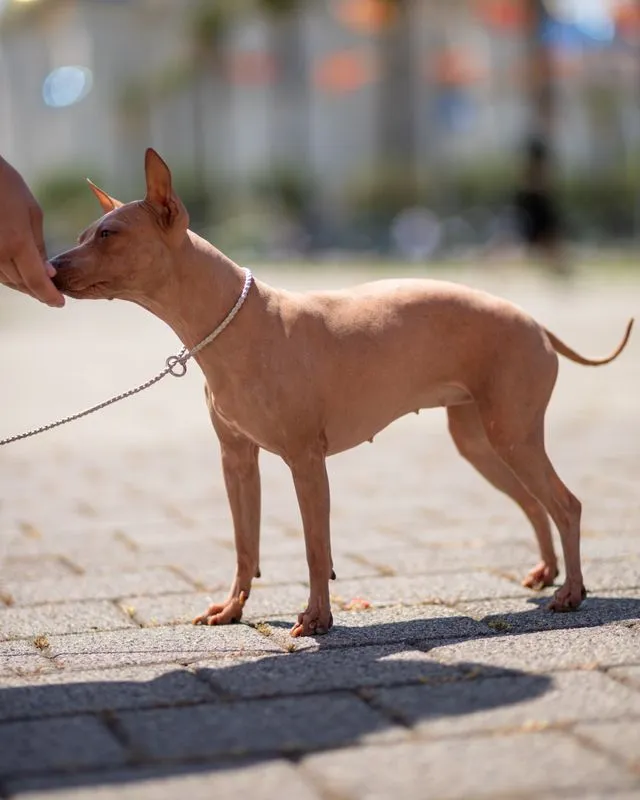
The American Hairless Terrier is the one that’s completely bald, though some have whiskers and eyebrows. It also comes in a coated variety, so check which puppy you’re actually getting.
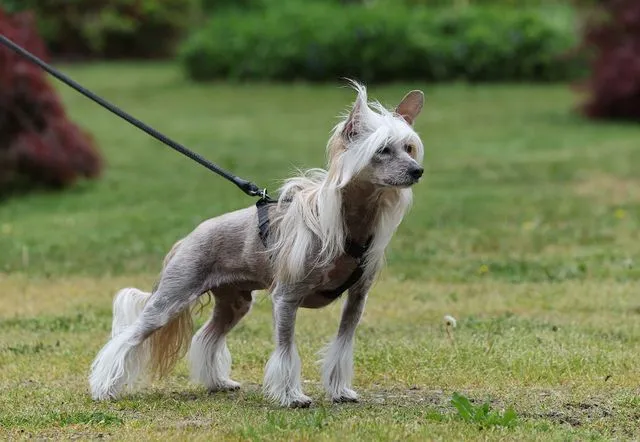
The Chinese Crested often keeps tufts on the head, tail and feet, the “ponytail and socks” look.
Then there’s the Peruvian Inca Orchid, an Andean sighthound and Peru’s national dog.
The sun will find your dog
Bare skin burns. Fast.
Vets list hairless breeds as the most sunburn-prone dogs out there, and repeated burns raise skin cancer risk, same as in people. Watch for red or pink skin, warmth, and dryness or peeling.
What works:
- Dog-safe sunscreen on outdoor days, reapplied after swimming
- A sun shirt — yes, a tiny shirt, and yes, it works
- Shade, always, even for short trips
- Shorter walks at peak hours
One hard rule: don’t use human sunscreen. Some ingredients can irritate canine skin or turn out toxic. Ask your vet to name a brand.
Skin care is the real job
Fur protects. Without it, your dog’s skin takes every hit from dirt, dryness and friction.
Hairless breeds are more prone to canine acne, dermatitis, itching and pyoderma (a bacterial skin infection). The routine most sources agree on looks like this:
- Bathe about weekly with lukewarm water and a mild shampoo
- Moisturize with a dog-safe product, because shampoo strips natural oils
- Check for blackheads and pimples the way you would on a teenager
- Keep delicate skin from tearing, which American Hairless Terriers are prone to
Too oily and too dry are both possible, sometimes on the same dog in the same month. Your vet can tune the routine.
Teeth: the part nobody mentions
Here’s a surprise. Hairless dogs tend to lose teeth at a higher rate than other breeds, because of a genetic mutation tied to the hairless trait.
So skip the “they’re low maintenance” talk and start dental care early. Brush at home, book regular checkups, and ask your vet what a healthy mouth looks like for your breed.
Some owners also say their dogs‘ nails grow faster than other breeds they’ve had. Keep the clippers handy.
Cold weather is no joke
No coat, no insulation. One owner profiled by The Honest Kitchen dresses her American Hairless Terrier in a snowsuit, ear warmer, tail warmer and boots, and that’s not overkill. Frostbite is a real risk.
If it’s cold enough for you to need a jacket, your dog needs one too. Keep outdoor time short and have a warm bed waiting.
Is a hairless dog right for you?
Honest answer: it depends on whether you like routine.
A hairless dog suits you if you’ll apply sunscreen without complaining, stay on top of baths and dental care, and dress your dog for the weather. It’s a poor fit if “less grooming” was the whole reason.
What to do now
Talk to a vet who knows hairless breeds before you commit. Ask about skin, dental care and sunscreen picks. Then meet a few dogs from reputable breeders or rescues, and look at how their skin is kept. It tells you a lot.
Want more pet-care guides like this? Tell us which breed to cover next.
Disclaimer: This article is for informational and educational purposes only and does not replace professional veterinary advice. Always consult a licensed veterinarian regarding skincare products, sunscreens, and dental care tailored to your dog’s specific needs.
What are the main hairless dog breeds?
The four you’ll see most often are the Xoloitzcuintli (Mexican Hairless), American Hairless Terrier, Chinese Crested (hairless variety) and Peruvian Inca Orchid. Some have small tufts of hair on the head, ears or feet. The American Hairless Terrier also comes in a coated variety.
Do hairless dogs need sunscreen?
Yes, if they spend real time outdoors. Bare skin burns, and repeated sun damage raises skin cancer risk. Use a dog-safe sunscreen or a sun shirt, add shade, and skip human products, which can irritate skin or be toxic. Ask your vet which brand to buy.
How often should you bathe a hairless dog?
PetMD suggests roughly weekly baths with lukewarm water and a mild shampoo. Since shampoo strips natural oils, many hairless dogs also need a dog-safe moisturizer afterward. Your vet can adjust the routine if your dog is dry, oily or acne-prone.
Are hairless dogs healthy?
They’re prone to acne, dermatitis, itching and skin infections. They also lose teeth at a higher rate than other breeds because of the same genetic mutation that causes hairlessness, so home dental care matters.