Best Family Dog Breeds: How to Pick One That Fits
Every “best family dog” list tells you the same thing:…

Every “best family dog” list tells you the same thing: get a Labrador. And honestly? That’s not bad advice. It’s just incomplete advice.
A Lab with no exercise will shred your couch. A calm basset hound might bore a kid who wants a running buddy. The breed on the label matters less than whether the dog fits the way your family actually lives.
Here’s how to narrow it down without losing a month to forum threads.
Table of Contents
Forget “best Family Dog Breeds.” Start with your week
Before you look at a single photo, answer three questions.
How much time can you really give a dog every day? Not on your best week. On a normal Tuesday.
How loud and chaotic is your house? Dogs with stable, easygoing temperaments cope with slammed doors, screaming toddlers and dropped plates. Sensitive dogs don’t.
Who’s doing the work? Kids promise to walk the dog. Kids lie. Plan as if the adults will do 90% of it.
The American Kennel Club’s own advice is to compare exercise needs, grooming, temperament and trainability for each breed you like, then talk to people who actually breed or rescue that type. Boring? Yes. Works? Also yes.
Seven breeds that keep landing on family lists
These show up again and again in kennel club guidance and vet recommendations, and for good reasons.
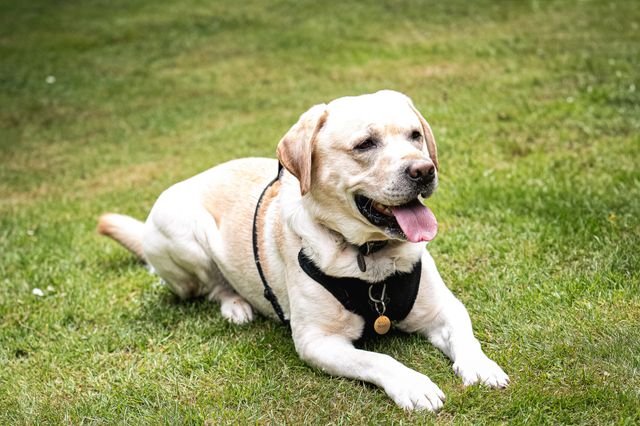
- Labrador retriever. Friendly, eager to please, built for games. Needs real exercise, which can get your kids outside too.

- Golden retriever. Smart, devoted, patient. Sheds like it’s paid by the hair.
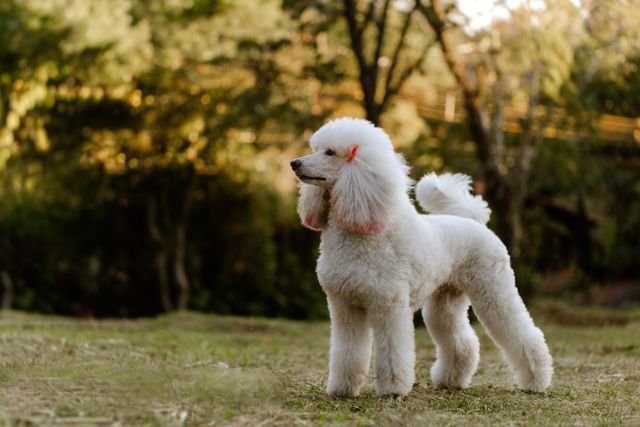
- Poodle (standard, miniature or toy). Highly trainable and family-oriented. Also a go-to when allergies are a worry.
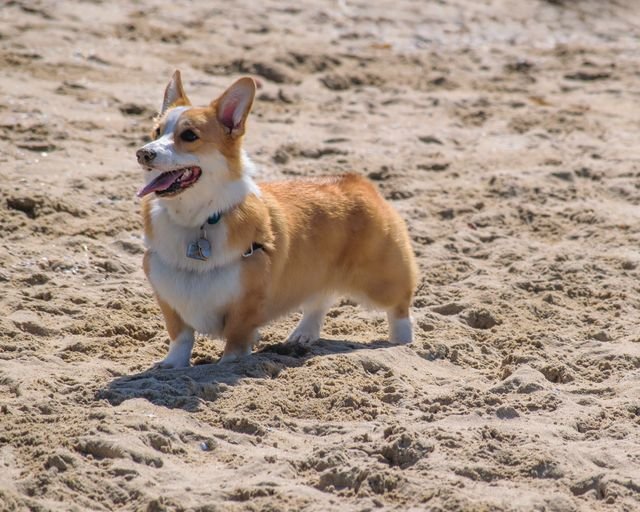
- Pembroke Welsh corgi. Playful and energetic, with a big personality in a mid-size body.

- Newfoundland. Huge, gentle, famously tolerant. You need space and a tolerance for drool.

- Beagle. Cheerful and sturdy. Also stubborn and nose-driven, so fence your yard.

- Basset hound. Laid-back and loyal. Great for quieter kids, slow on long hikes.
Notice what’s missing? Any promise. A breed tendency is a starting bet, not a guarantee.
Breeds that need more experience than most families have
Some dogs are wonderful animals that just aren’t forgiving of first-timer mistakes. Breeds such as Akitas, Alaskan malamutes and Rottweilers are often flagged as tougher fits for homes with small kids, mostly because of size, strength and strong instincts.
That doesn’t mean they’re bad dogs. It means the margin for error is thin. If you’ve never trained a dog before, start somewhere softer.
Size, grooming, allergies: the boring stuff that decides everything
Big dogs handle rough-and-tumble toddlers better, but a happy tail at knee height will flatten a small child. Small dogs are easier to carry and easier to hurt.
Grooming is the sleeper issue. A poodle needs regular professional trimming. A golden needs daily brushing or your house turns into a fur factory. Check the cost and the time before you fall in love.
Allergies? No dog is truly allergen-free, and sensitivity varies from dog to dog, even within “hypoallergenic” breeds. Spend real time with the specific dog before you commit.
Mixed breeds and rescues deserve a real look
A shelter dog with a documented history around children can beat a random puppy from an unknown source. Adult dogs also come with a personality you can actually see, which a puppy can’t offer.
Ask the rescue direct questions. How does the dog react to noise? To grabbing hands? To being left alone? Push for a trial or foster-to-adopt period if one exists.
If you go the breeder route, find one connected to a breed parent club and ask to meet the mother. Skip pet stores and anonymous online sellers.
The part no breed list covers: your kids
The safest family dog still needs a family that knows the rules.
- Never let young children and dogs be alone together
- Teach kids not to pull ears or tails, climb on the dog, or bother it while it eats
- Give the dog a spot to retreat to, and treat that spot as off-limits
- Learn the warning signs: stiff body, lip licking, turning away, whale eye
Most bites come from situations the adults could have spotted. The dog was telling everyone for a while.
What to do this weekend
Pick three breeds from the list above. Visit the AKC site and use its breed comparison tool. Then find a local owner of each breed and ask what they wish they’d known.
Don’t decide before you’ve met a few real dogs. Your gut will tell you faster than any article, including this one.
Looking for more practical advice on raising a happy pup? Explore more breed guides and daily routines right here on PETIXIA.
Disclaimer: This article is for informational purposes only. Breed tendencies are general guidelines, not guarantees—every dog’s behavior depends on socialization, training, and environment. Always supervise interactions between children and pets, and consult a certified trainer or veterinarian for personalized guidance.
What is the best dog breed for a family with young kids?
There’s no single best breed, but Labrador retrievers, golden retrievers, and poodles come up most often. They tend to be trainable, social, and tolerant of a busy house. Individual temperament still matters more than breed, so meet the actual dog and its parents if you can.
Are small dogs good family dogs?
Some are. Bichons, Cavalier King Charles spaniels and miniature poodles often do well with gentle children. But very small dogs are easier to injure, so they suit older kids better than toddlers. Supervise every interaction either way.
What dog breeds should families with small children think twice about?
Breeds with strong guarding instincts or very high drive, such as Akitas, Alaskan malamutes and Rottweilers, can be a harder fit for homes with toddlers. It isn’t a ban. These dogs need experienced owners, heavy socialization and strict supervision.
Is a mixed breed or rescue a good choice for a family?
Often, yes. A well-assessed shelter dog with a known history around kids can be a better bet than a random puppy. Ask the rescue how the dog behaves with children, other pets and noise, and request a trial period if they offer one.